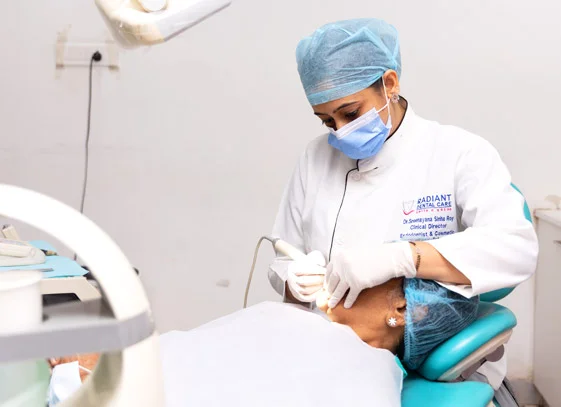

Orthodontics (Braces & Aligners)
Advanced Dentistry refers to the use of state-of-the-art technology and techniques in dental treatments, as well as a comprehensive approach to patient care. This field of dentistry encompasses a wide range of specialised procedures and treatments, including cosmetic dentistry, restorative dentistry, orthodontics, periodontics, and implant dentistry.
Advanced dental treatments may include the use of digital x-rays, 3D imaging, and laser technology, which allow dentists to diagnose and treat dental problems with greater accuracy and precision. Advanced Dentistry also emphasises preventative measures, such as regular checkups and cleanings, to help patients maintain optimal oral health and prevent future dental issues.
Book an Appointment
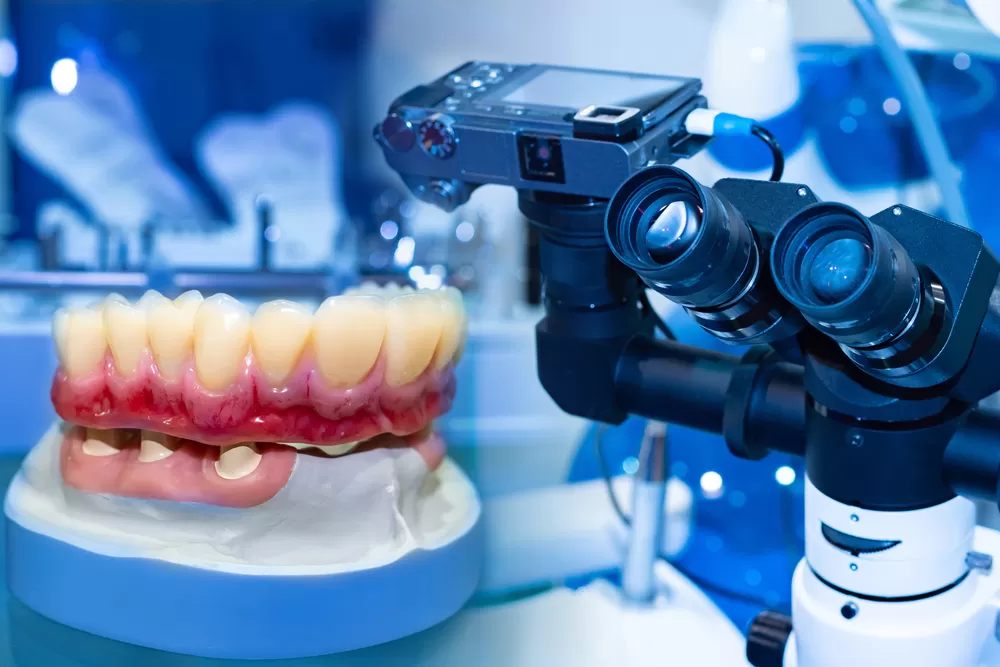
When Should You Go for Advanced Dentistry?
Advanced dentistry focuses on improving the appearance and functionality of teeth, gums, and jaws. If you are looking to enhance the aesthetics of your smile or correct a dental issue that has been bothering you, then you should consider going for advanced dentistry. Some dental issues that may call for advanced dental treatment include:
Classic Signs That You Should go For Advanced Dentistry Treatments
Missing or damaged teeth
Advanced dentistry focuses on improving the appearance and functionality of teeth, gums, and jaws.
Cosmetic problems
Advanced dentistry focuses on improving the appearance and functionality of teeth, gums, and jaws.
TMJ disorders
Advanced dentistry focuses on improving the appearance and functionality of teeth, gums, and jaws.
Gum disease
Advanced dentistry focuses on improving the appearance and functionality of teeth, gums, and jaws.
Bite problems
Advanced dentistry focuses on improving the appearance and functionality of teeth, gums, and jaws.
When Should You Go for Advanced Dentistry?
- We use the latest techniques and equipment to provide safe and effective treatment.
- At Radiant, patient-centred care is a top priority. We understand your concerns and answer any questions you may have regarding the treatment.
- Oral hygiene & diet guidance
- Community outreach & health awareness programs
- Tobacco cessation support